Latest Supreme Court News
PROPER OFFICER MUST PASS REASONED ORDER UNDER SECTION 129(3) CGST ACT EVEN IF TAX AND PENALTY PAID—SUPREME COURT
PROPER OFFICER MUST PASS REASONED ORDER UNDER SECTION 129(3) CGST ACT EVEN…

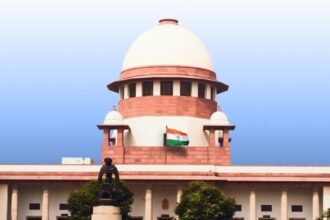
The Supreme Court of India is the highest judicial authority in the country and is regarded as the Guardian of the Constitution. Its primary responsibility is to uphold the Constitution, protect citizens’ fundamental rights, and ensure uniform interpretation of the law across the nation.
Interpretation of the Constitution: The Court provides the final interpretation of constitutional provisions.
Guarantee of Justice: It ensures equal justice for all citizens across India.
Protection of Fundamental Rights: Under Article 32, citizens can directly approach the Supreme Court to protect their rights.
Hearing Appeals: The Court hears appeals from High Courts and various tribunals.
Judicial Review: It has the power to strike down laws or executive actions that violate the Constitution.
The Supreme Court is not just a judicial body but also a pillar of democracy. Its rulings shape governance, business regulations, and civil liberties, thereby impacting every section of society.
The Supreme Court of India is the backbone of the country’s judiciary. Its judgments have far-reaching implications on taxation, civil rights, corporate law, and governance. Staying updated with Supreme Court rulings is essential for citizens, professionals, and businesses alike.
PROPER OFFICER MUST PASS REASONED ORDER UNDER SECTION 129(3) CGST ACT EVEN…